1. No‑pallet Direct Ground Forming, Eliminate Pallet Consumable Cost for Solid‑brick Production
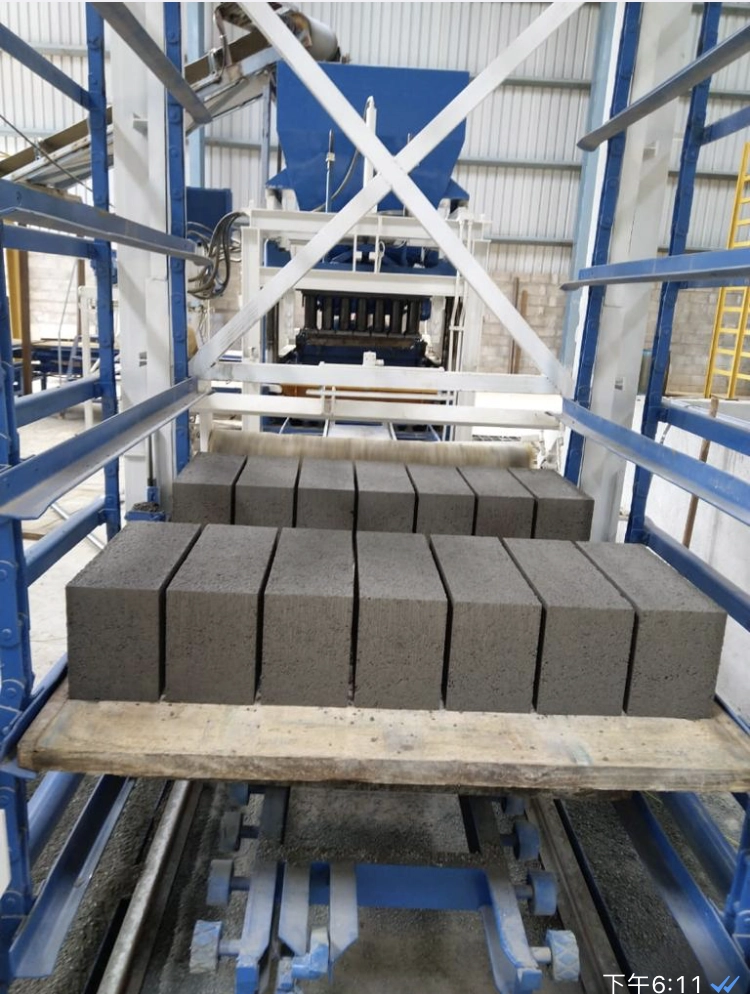
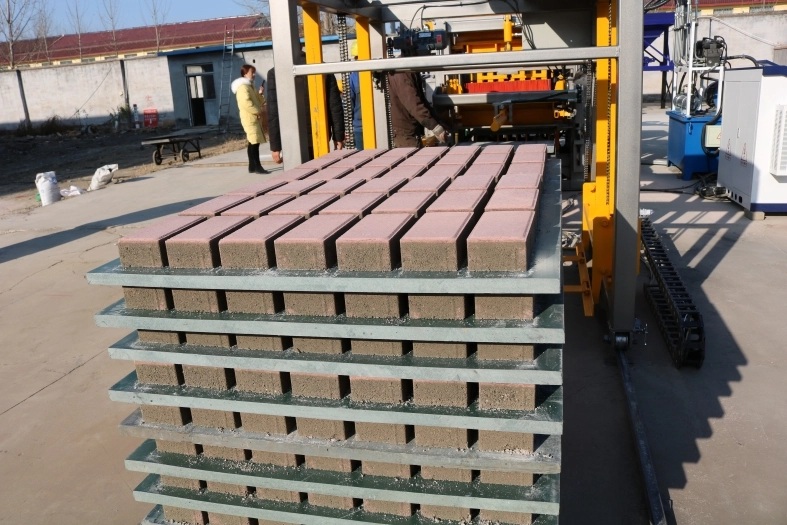
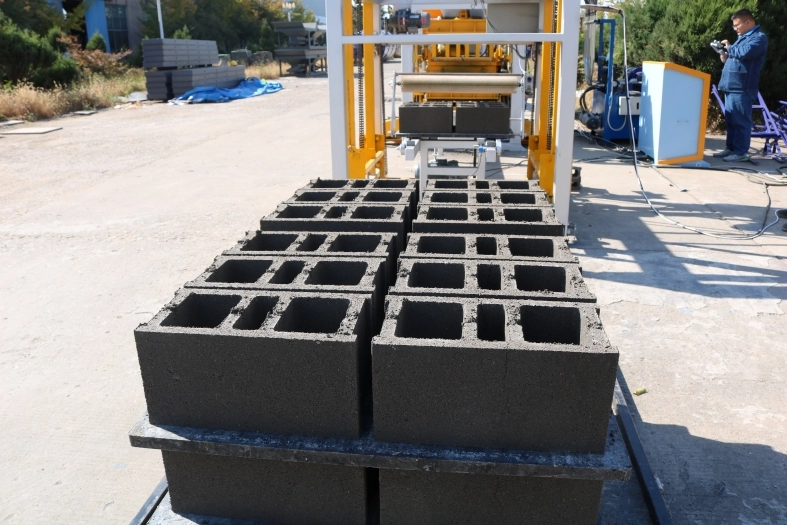
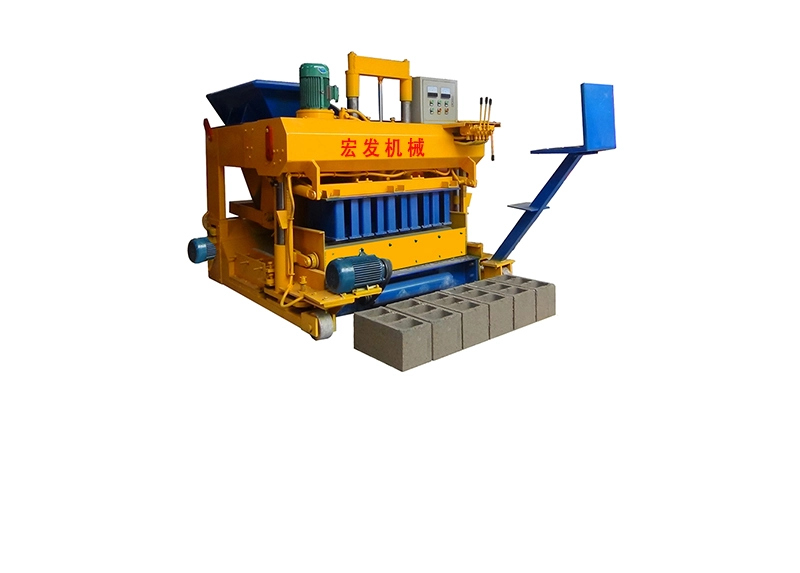
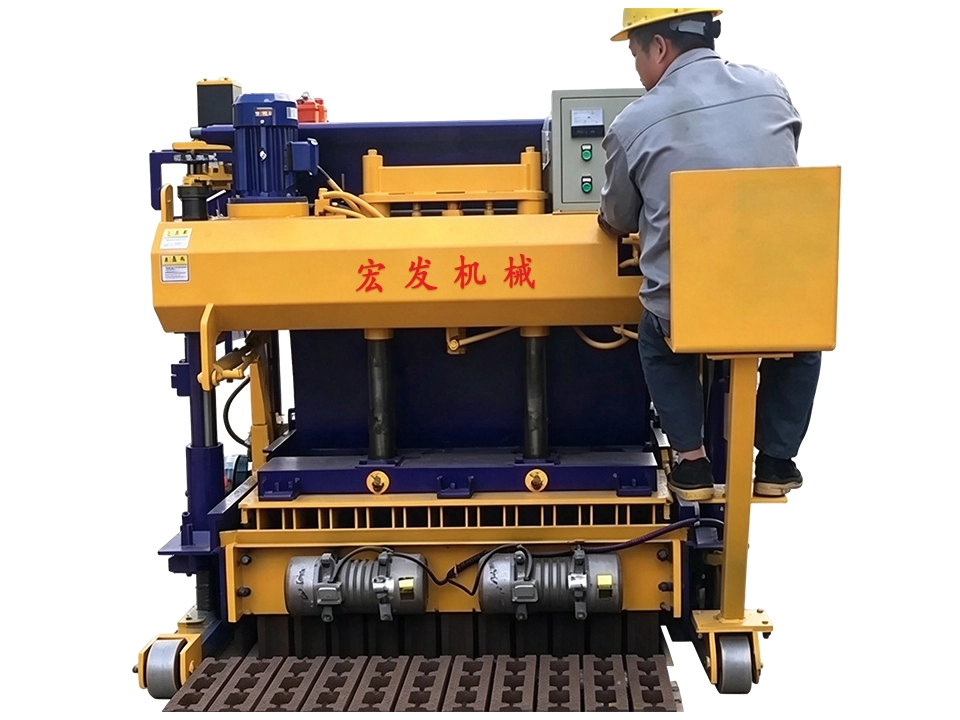
Traditional brick machines require large quantities of pallets to carry heavy solid brick blanks. Solid bricks impose heavy load which accelerates pallet damage, bringing continuous high costs from purchasing, wear, aging and replacement. QMJ6‑30 no‑pallet design forms solid bricks directly on firm hardened ground without large‑volume wooden or plastic pallets. Investors can save substantial one‑time pallet budget. There is no pallet turnover, sorting or maintenance work, simplifying site workflow and lowering comprehensive solid‑brick production cost. It brings obvious profit improvement for startup and home‑based solid‑brick manufacturers.
2. Mould‑box Vibration & Hydraulic Combined Pressing, Well‑compacted Thick‑wall Solid Bricks, Less Waste
Solid brick blanks are thick and heavy. Ordinary vibration equipment often causes compacted surface but loose inner core, resulting in cracking, chipped corners and sub‑standard strength. This machine adopts vibration‑box transmission structure, transferring vibration energy fully to the whole mould, together with hydraulic pressure optimized for thick solid blanks, making aggregates fully fill every position inside mould cavity. Finished solid bricks feature uniform density, intact sharp edges and stable compression performance with small dimensional deviation for each batch. It effectively reduces raw‑material loss caused by inner looseness, cracking and corner spalling. Finished bricks meet supply standards for residential and small‑medium construction projects. It helps factories obtain steady solid‑brick orders and avoid economic loss from defective‑goods returns, protecting reputation for local and overseas customers.
3. Mobile‑ready Structure & Flexible Layout, Adapt to Small‑scale Solid‑brick Plant Conditions
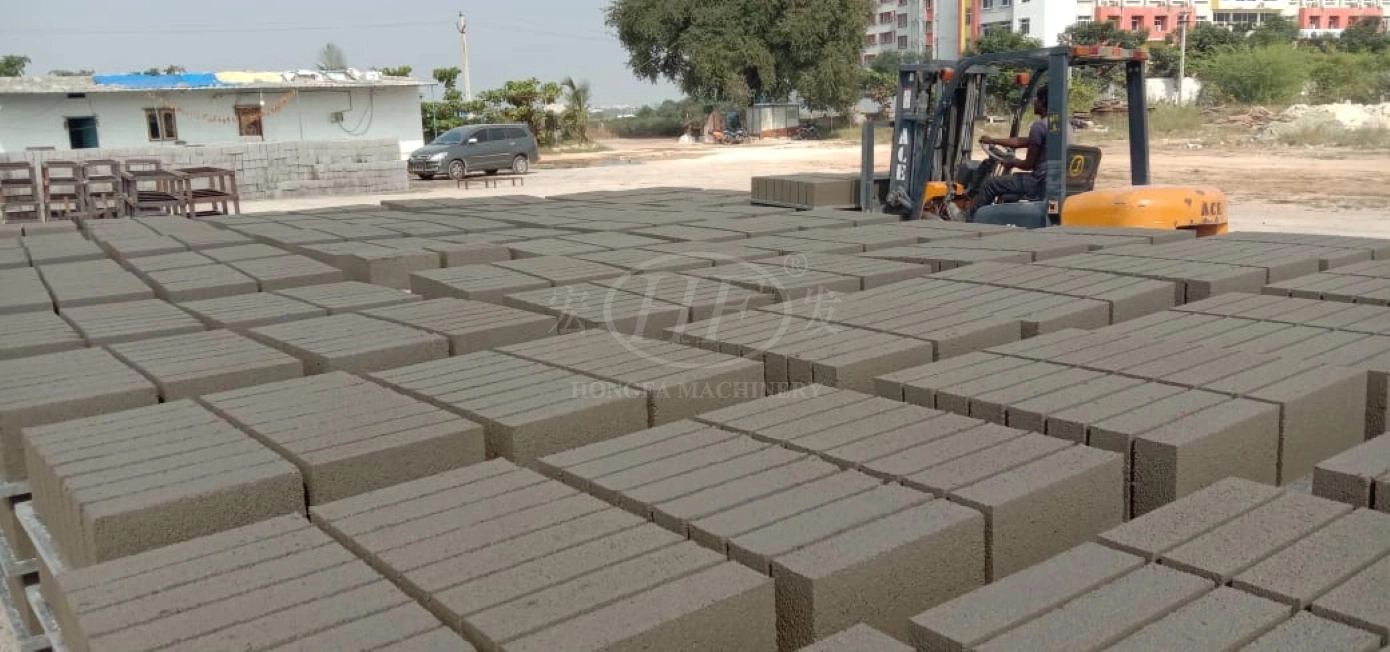
Equipped with travelling wheels for on‑site relocation. Heavy‑duty special foundation is not required. Only 3000‑5000 ㎡ of solid hardened ground is enough for solid‑brick production, no extra‑large dedicated workshop needed. Main frame is welded with high‑quality 12×12cm square steel from Laiwu & Jinggang steel mill, total weight 2400kg for convenient transport and relocation. Factories with existing concrete sites can add solid‑brick capacity without large‑scale civil reconstruction. Home workshops and new investors avoid high infrastructure investment. Working position can be adjusted flexibly according to order changes, lowering site‑entry threshold for solid‑brick business.
4. Broad Raw‑material Adaptability, Utilize Local Industrial Waste to Cut Solid‑brick Material Expense
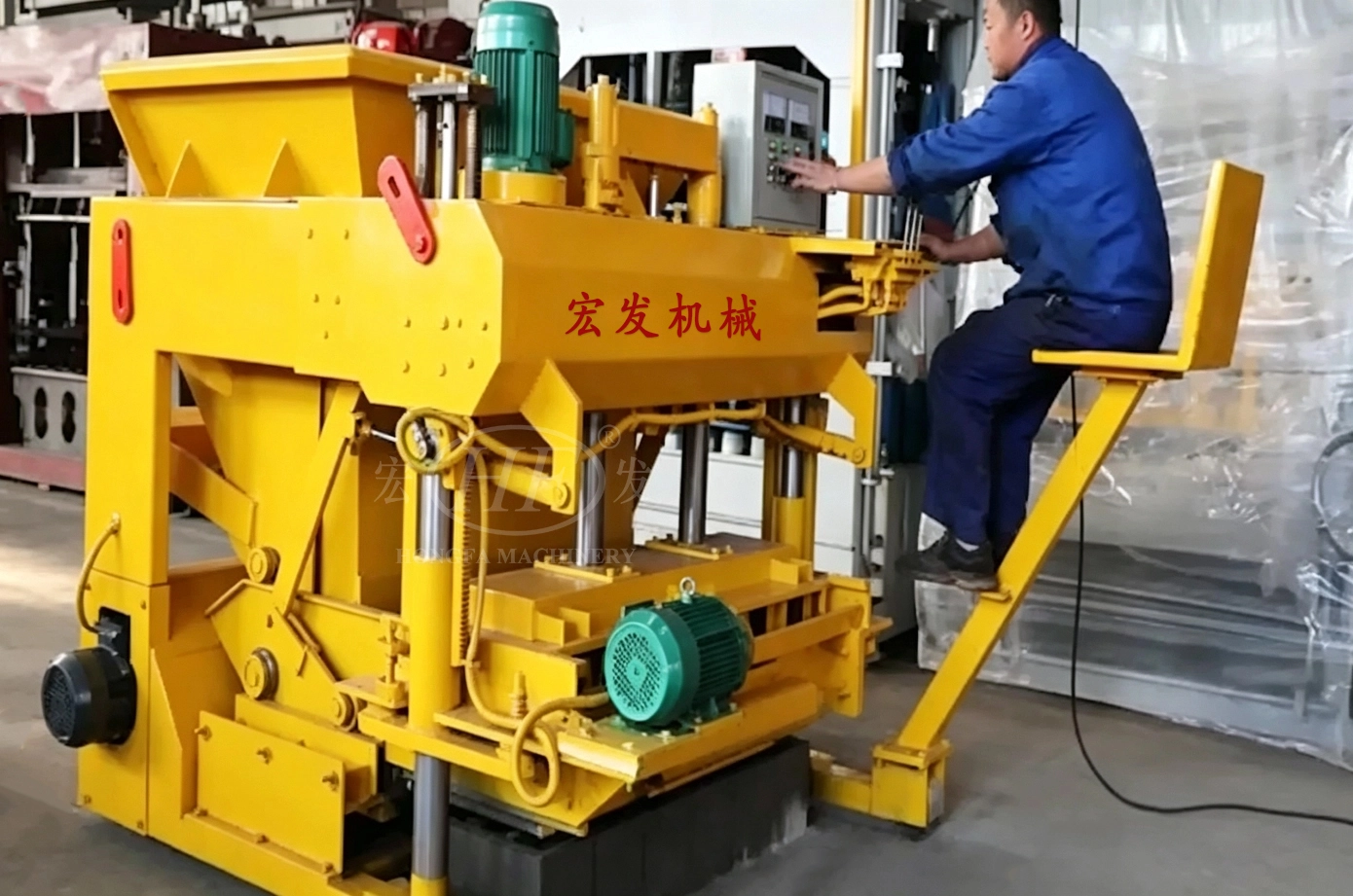
High‑grade river sand is not mandatory for solid‑brick production. Qualified solid bricks can be produced by mixing limited cement with crushed stone, stone chips, fly ash, cinder, slag, gangue, gravel and other industrial solid waste. You can source affordable local industrial residues and quarry by‑products as main raw materials to reduce long‑distance transportation cost for aggregates. Stable production can be maintained even when premium sand is scarce or price rises. Lower material cost brings bigger pricing flexibility. You can win project orders via competitive price or maintain decent profit margin.
5. Reliable Transmission & Hydraulic Configuration, Reduce Shutdown Risk to Secure On‑time Delivery
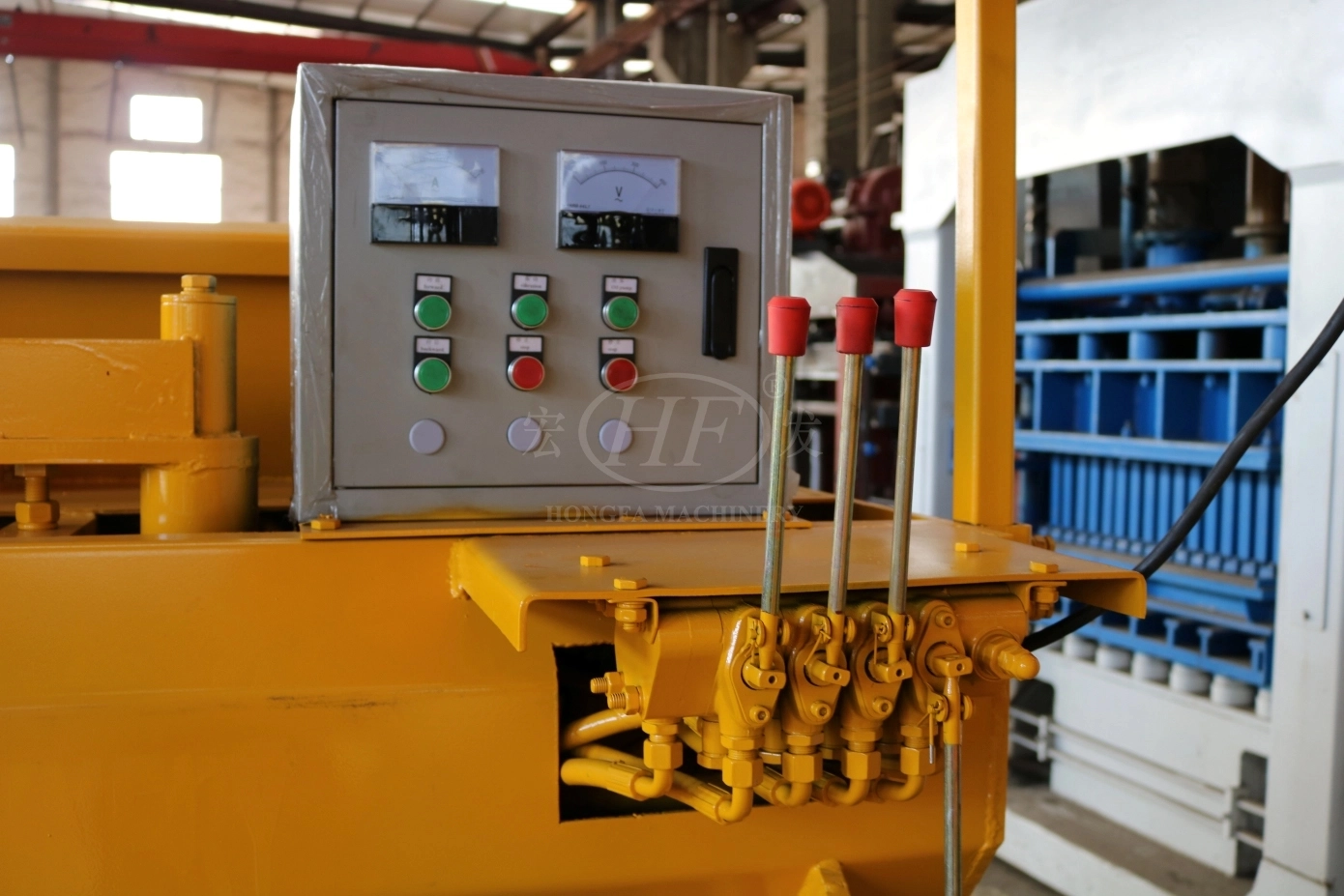
Vibration‑box transmission replaces ordinary direct‑drive vibration‑motor setup to lower motor burnout risk. Adopt well‑known Taiwan Calyca hydraulic components for stable hydraulic performance. Heavy‑wall thick square‑tube main frame delivers high rigidity, resisting frequent heavy‑load mould vibration from solid‑brick production without long‑term deformation. Few failure points and highly‑universal wearing parts with easy sourcing and low replacement cost. It prevents business risks caused by production halt after solid‑brick supply contracts are signed. Ordinary local operators can replace wearable components without heavy dependence on professional after‑sales technicians. Extend effective production hours and improve return on investment.
6. Stable Production Rhythm & Clear Manpower Arrangement for Medium‑small‑batch Solid‑brick Orders
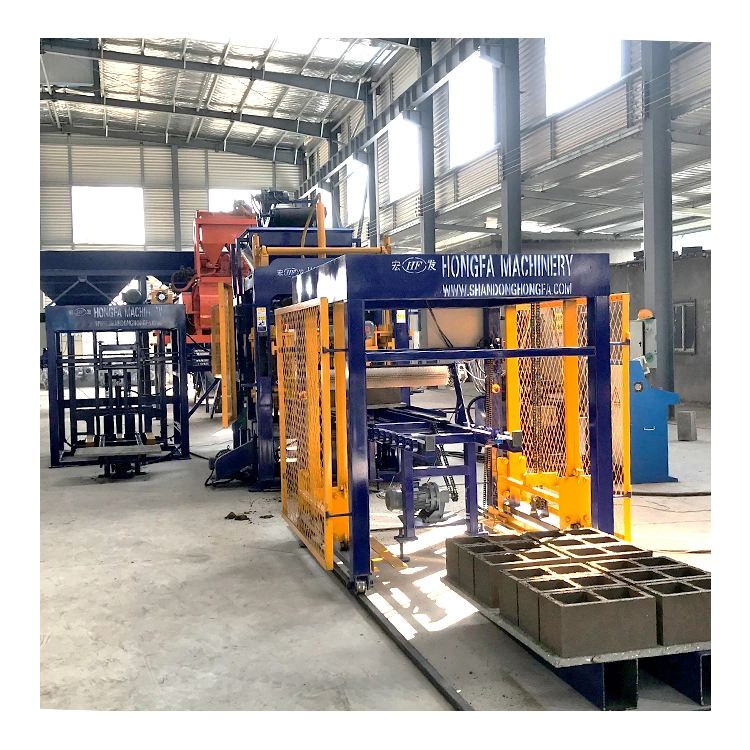
Molding cycle is 20‑30 seconds for stable output of various solid‑brick sizes. The complete line matched with JZC350 concrete mixer features simple workflow without complicated pallet conveying and stacking mechanisms. Only 4‑5 workers handle mixing, feeding, brick output and transferring for the whole line with controllable labor cost. Well‑suited for multi‑batch solid‑brick orders from rural housing and small‑medium building projects with flexible scheduling. It avoids capacity waste of large‑size machines facing small‑volume tasks and helps small factories steadily undertake local solid‑brick supply contracts.
1. No‑pallet Direct Ground Forming, Eliminate Pallet Consumable Cost for Solid‑brick Production
Traditional brick machines require large quantities of pallets to carry heavy solid brick blanks. Solid bricks impose heavy load which accelerates pallet damage, bringing continuous high costs from purchasing, wear, aging and replacement. QMJ6‑30 no‑pallet design forms solid bricks directly on firm hardened ground without large‑volume wooden or plastic pallets. Investors can save substantial one‑time pallet budget. There is no pallet turnover, sorting or maintenance work, simplifying site workflow and lowering comprehensive solid‑brick production cost. It brings obvious profit improvement for startup and home‑based solid‑brick manufacturers.
2. Mould‑box Vibration & Hydraulic Combined Pressing, Well‑compacted Thick‑wall Solid Bricks, Less Waste
Solid brick blanks are thick and heavy. Ordinary vibration equipment often causes compacted surface but loose inner core, resulting in cracking, chipped corners and sub‑standard strength. This machine adopts vibration‑box transmission structure, transferring vibration energy fully to the whole mould, together with hydraulic pressure optimized for thick solid blanks, making aggregates fully fill every position inside mould cavity. Finished solid bricks feature uniform density, intact sharp edges and stable compression performance with small dimensional deviation for each batch. It effectively reduces raw‑material loss caused by inner looseness, cracking and corner spalling. Finished bricks meet supply standards for residential and small‑medium construction projects. It helps factories obtain steady solid‑brick orders and avoid economic loss from defective‑goods returns, protecting reputation for local and overseas customers.
3. Mobile‑ready Structure & Flexible Layout, Adapt to Small‑scale Solid‑brick Plant Conditions
Equipped with travelling wheels for on‑site relocation. Heavy‑duty special foundation is not required. Only 3000‑5000 ㎡ of solid hardened ground is enough for solid‑brick production, no extra‑large dedicated workshop needed. Main frame is welded with high‑quality 12×12cm square steel from Laiwu & Jinggang steel mill, total weight 2400kg for convenient transport and relocation. Factories with existing concrete sites can add solid‑brick capacity without large‑scale civil reconstruction. Home workshops and new investors avoid high infrastructure investment. Working position can be adjusted flexibly according to order changes, lowering site‑entry threshold for solid‑brick business.
4. Broad Raw‑material Adaptability, Utilize Local Industrial Waste to Cut Solid‑brick Material Expense
High‑grade river sand is not mandatory for solid‑brick production. Qualified solid bricks can be produced by mixing limited cement with crushed stone, stone chips, fly ash, cinder, slag, gangue, gravel and other industrial solid waste. You can source affordable local industrial residues and quarry by‑products as main raw materials to reduce long‑distance transportation cost for aggregates. Stable production can be maintained even when premium sand is scarce or price rises. Lower material cost brings bigger pricing flexibility. You can win project orders via competitive price or maintain decent profit margin.
5. Reliable Transmission & Hydraulic Configuration, Reduce Shutdown Risk to Secure On‑time Delivery
Vibration‑box transmission replaces ordinary direct‑drive vibration‑motor setup to lower motor burnout risk. Adopt well‑known Taiwan Calyca hydraulic components for stable hydraulic performance. Heavy‑wall thick square‑tube main frame delivers high rigidity, resisting frequent heavy‑load mould vibration from solid‑brick production without long‑term deformation. Few failure points and highly‑universal wearing parts with easy sourcing and low replacement cost. It prevents business risks caused by production halt after solid‑brick supply contracts are signed. Ordinary local operators can replace wearable components without heavy dependence on professional after‑sales technicians. Extend effective production hours and improve return on investment.
6. Stable Production Rhythm & Clear Manpower Arrangement for Medium‑small‑batch Solid‑brick Orders
Molding cycle is 20‑30 seconds for stable output of various solid‑brick sizes. The complete line matched with JZC350 concrete mixer features simple workflow without complicated pallet conveying and stacking mechanisms. Only 4‑5 workers handle mixing, feeding, brick output and transferring for the whole line with controllable labor cost. Well‑suited for multi‑batch solid‑brick orders from rural housing and small‑medium building projects with flexible scheduling. It avoids capacity waste of large‑size machines facing small‑volume tasks and helps small factories steadily undertake local solid‑brick supply contracts.


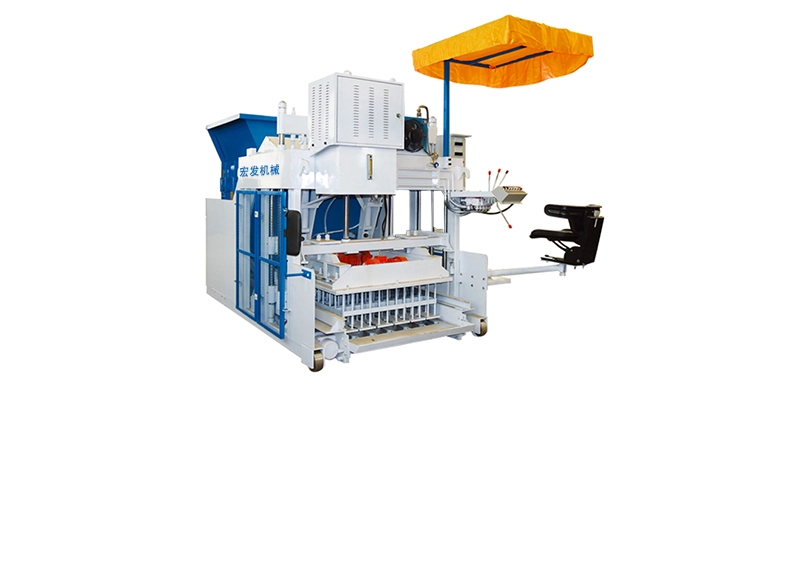 QMJ-10A Interlocking Block Making Machine | Mobile Pallet-Free Interlock Brick Production Equipment
Hongfa QMJ-10A mobile interlocking block machine works without pallets for high-strength interlock bricks. It adopts dua...
 QMJ-10A Mobile Hollow Block Machine | High Output Concrete Hollow Block Production Equipment
QMJ-10A mobile hollow block machine, Hongfa electromechanical hydraulic integrated no-pallet block machine, specially de...
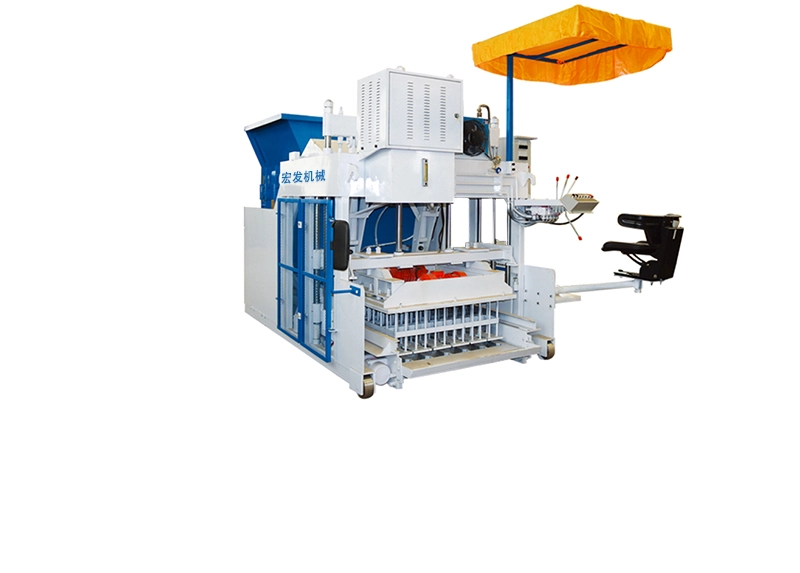 QMJ‑10A Compressed Earth Egg Laying Block Making Machine
QMJ‑10A is a pallet‑free mobile hydraulic block making machine with secondary mould‑vibration design. Overall dimension ...
Shandong Hongfa Scientific Industrial&Trading Co.,Ltd ©️2026Copyright © LU ICP B 16041216-4